Seven Fascinating Tidbits About Tulips to Amaze You
Posted on 15/06/2025
Tulips have enchanted flower lovers across the globe for centuries with their elegant forms and vivid hues. Whether you admire a single tulip blossom swaying in the spring breeze or marvel at whole fields of them painting the landscape, there is a world of wonder behind these beloved plants. In this article, we'll take a deep dive into seven fascinating tidbits about tulips--the secrets, history, and science that make them truly amazing. Read on and prepare to be dazzled by the remarkable story of tulips!

1. The Surprising Origins of Tulips
When most people envision tulip flowers, their mind immediately drifts to the Netherlands, the country most associated with tulips today. However, the origin of the tulip is far removed from Dutch windmills and canals.
- Tulips trace their lineage back to the mountainous regions of Central Asia, particularly within present-day Turkey, Iran, and Kazakhstan.
- These hardy wild tulips grew naturally on the rocky slopes and grassy steppes, thriving in the harsh continental climate.
- The name "tulip" is believed to stem from the Turkish word "tulbent", meaning "turban," due to the flower's distinctive cup-like shape resembling a wrapped turban.
It wasn't until the 16th century that tulip bulbs made their way westward, sparking a horticultural revolution in the gardens of Europe.
Table of Contents
- 1. The Surprising Origins of Tulips
- 2. The Wild World of Tulip Mania
- 3. There Are Over 3,000 Tulip Varieties
- 4. Tulips Are Edible (Yes, Really!)
- 5. The Science Behind Tulip Colors
- 6. Tulips as Symbols in Art, Culture, and Literature
- 7. The Vital Role of Tulips in Modern Horticulture
- Frequently Asked Questions About Tulips
- Conclusion: Why Tulips Are Truly Extraordinary
- Further Reading: Explore the World of Tulips
2. The Wild World of Tulip Mania
Perhaps one of the most fascinating stories in economic history is the so-called Tulip Mania of the 17th century. The Dutch Golden Age saw tulip bulbs become not only treasured collectibles but symbols of wealth and status.
What was Tulip Mania?
Between 1634 and 1637, the Dutch public went crazy for rare and uniquely patterned tulip bulbs. Prices for these fancy types, such as the vividly streaked "Semper Augustus," soared to astronomical heights.
- Unique tulip bulbs were sometimes traded for the equivalent of a lavish house in Amsterdam!
- At the peak of the craze, a single bulb could sell for as much as 10 times a skilled artisan's annual income.
- The speculative bubble burst in 1637, plunging many investors into financial ruin and giving birth to the term "tulip mania."
Though the bubble popped, the tulip's reputation as a symbol of luxury and beauty endured, and the flower remains an integral part of Dutch identity to this day.
3. There Are Over 3,000 Tulip Varieties
Did you know there are more than 3,000 registered varieties of tulips globally? These tulips are categorized into fifteen groups based on their bloom time, shape, and color pattern.
- Single Early and Single Late Tulips: Classic cup-shaped blooms, perfect for garden borders.
- Parrot Tulips: Uniquely fringed and feathered petals in dazzling color combinations.
- Double Tulips: With extra layers of petals that give a peony-like appearance.
- Viridiflora Tulips: Marked by streaks of green on their petals.
- Lily-flowered Tulips: Elegant, pointed petals resembling lilies.
The remarkable diversity of tulip types allows gardeners and florists to experiment with a kaleidoscope of colors, heights, and forms--making these spring bulbs a staple on any floral enthusiast's list.
4. Tulips Are Edible (Yes, Really!)
Here's an unexpected fact about tulips--the flowers and bulbs are actually edible!
- In parts of the world, especially during times of famine and scarcity, tulip bulbs have been consumed by people. During World War II's "Hunger Winter" in the Netherlands, desperate citizens turned to tulip bulbs for sustenance.
- The petals of certain tulip species are reported to have a mild, slightly sweet taste and are used occasionally as a colorful salad garnish.
- Important: Not all tulips are safe to eat--some bulbs contain toxins that can cause digestive discomfort.
If you're curious about this unusual tulip trivia, make sure to research the variety first and always consult an expert before tasting!
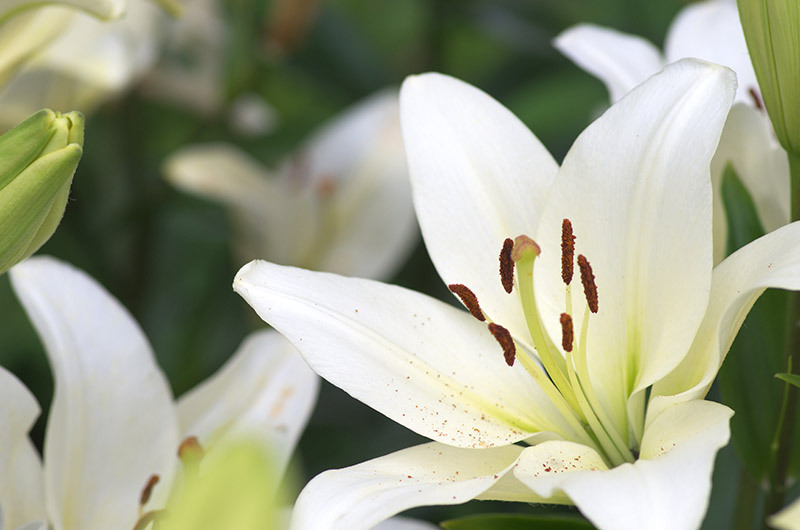
5. The Science Behind Tulip Colors
Have you ever wondered what makes a tulip flower bloom in so many dazzling colors? The secret lies in plant pigments and genetics.
How do tulips get their colors?
- Anthocyanins are responsible for reds, pinks, and purples, while flavonols create yellow and white shades.
- The amazing "broken" patterns (stripes and flames) famously seen during Tulip Mania were caused by a plant virus, known as the tulip breaking virus.
- Today, plant breeders skillfully cross tulips to develop new hybrids, utilising natural mutations and ensuring a continual parade of fresh colors every year.
It's this genetic variability that makes tulip flowers such a delight to collectors and gardeners, ensuring no two seasons in the tulip bed are ever quite the same.
6. Tulips as Symbols in Art, Culture, and Literature
Beyond their obvious aesthetic appeal, tulips hold deep symbolic meanings in cultures around the world. From poetry to painting, tulip blooms have been imbued with layers of meaning.
- In Persian and Turkish poetry, tulips often symbolize perfect love or the fleeting beauty of life.
- The red tulip has become a symbol of passion, while the yellow tulip is often associated with cheerful thoughts and sunshine.
- Dutch paintings from the Golden Age frequently feature tulips, celebrating both their luxury and their role as objects of desire.
- Tulip festivals take place across the world, notably in Istanbul, Ottawa, and the Netherlands, embodying the universal appreciation for these beautiful blooms.
Whether popping up in a still life or threaded through a love poem, the tulip's allure runs deeper than its garden appeal.
7. The Vital Role of Tulips in Modern Horticulture
The impact of tulip cultivation on modern horticulture cannot be overstated. Today, the Netherlands exports billions of tulip bulbs every year worldwide, making it the epicenter of the global bulb industry.
- Fields of Color: Each spring, massive tulip fields bloom across the Dutch countryside, drawing millions of tourists and photographers.
- Innovation in Breeding: Advances in genetic engineering and selective breeding continue to produce new tulip varieties with improved disease resistance, longevity, and unique patterns.
- Tulips in Landscaping: These resilient bulbs are celebrated for their low-maintenance nature and brilliant displays, making them favorites in public gardens and private homes.
With their combination of beauty, variety, and resilience, tulips have shaped the art and science of flower growing for generations.
Frequently Asked Questions About Tulips
What is the best time to plant tulip bulbs?
Tulip bulbs should be planted in the fall, 6-8 weeks before the first hard ground frost, giving them time to establish roots before winter.
How long do tulip flowers last?
Generally, tulip blooms last about 1-2 weeks in the garden, although this can vary depending on the variety and weather conditions.
Are tulips toxic to pets?
Yes. Both tulip bulbs and, to a lesser extent, their leaves contain compounds that can be toxic to dogs and cats if ingested.
How can I keep tulips fresh longer in a vase?
Cut tulips at an angle, place them in cool water, and change the water daily. Keeping them out of direct sunlight can help extend their vase life.
Conclusion: Why Tulips Are Truly Extraordinary
From their ancient Asian origins and rollercoaster history of tulip mania, to their dazzling variety, unexpected edibility, genetic marvels, and vital place in art and commerce, tulips truly are one of the world's most fascinating flowers.
The next time you sight a field of tulips--or pause to admire a single bloom--remember these seven amazing tulip facts. Whether you're a budding gardener, a history lover, or a curious reader, the mysterious, colorful world of tulips is guaranteed to inspire awe and appreciation.
Further Reading: Explore the World of Tulips
- The History and Culture of Tulips - Wikipedia
- Ottawa Tulip Festival
- Dutch Bulb Growers Association