Mastering the Care of Cut Flowers at Home
Posted on 18/08/2025
Mastering the Care of Cut Flowers at Home: A Comprehensive Guide
There is undeniable charm and warmth in a fresh bouquet of cut flowers gracing your living space. Whether you have received a delightful arrangement as a gift, picked a handful from your own garden, or purchased a bundle from the local market, learning the art of caring for cut flowers at home can extend their beauty and vitality. In this guide, you'll discover everything you need to know about preserving the freshness of cut flowers--from the science of their longevity to practical tips and troubleshooting advice.
Why Mastering Flower Care Matters
Cut flowers symbolize love, celebration, and remembrance. Their presence can elevate the mood of a room, infusing it with fragrance and color. But as living organisms, flowers begin the journey to wilting as soon as they're severed from their roots. Mastering the care of cut flowers at home not only enhances your enjoyment but also helps you get the best value from your arrangements.
- Extend Vase Life: With the right techniques, many cut flowers can last over a week.
- Preserve Appearance: Proper care prevents wilting and keeps blossoms vibrant.
- Maximize Fragrance: Fresh flowers emit more scent when kept healthy.
- Reduce Waste: Longer-lasting blooms mean less frequent replacement.
The Science Behind Cut Flower Care
Once flowers are cut from the plant, they lose their natural water and nutrient supply. They rely solely on water uptake through their stems. Properly managing water, cleanliness, temperature, and even air quality can make all the difference in preserving cut flowers' freshness.
Why Flowers Wilt
After cutting, air can enter the stem and block water pathways (xylem vessels), causing the flower to dehydrate quickly. Microbial growth in vase water can also clog stems and produce chemicals that speed up wilting.
The Role of Water
Water is crucial for keeping the cellular structure of flower petals firm and supporting nutrient transport. However, not just any water will do--temperature and cleanliness are fundamental.
Ethylene Gas Exposure
Many household fruits such as bananas and apples emit ethylene gas, which can speed up the aging of flowers. Keeping your bouquets away from ripening produce can drastically extend their life!
Essential Tools & Supplies
- CLEAN Vases
- Sharp, Clean Pruners or Scissors
- Lukewarm Water
- Flower Food or Homemade Preservative
- Optional: Anti-bacterial Drops or Bleach
Step-by-Step: How to Make Cut Flowers Last Longer at Home
1. Start with a Clean Vase
Bacteria and fungi are the enemies of fresh cut flowers. Thoroughly clean your vase with hot, soapy water and rinse well. For extra protection, rinse with a dilute bleach solution (1 part bleach to 10 parts water), then rinse with fresh water.
2. Trim the Stems Properly
- Cut at an Angle: Use sharp scissors or pruners to make a 45-degree cut. This increases the surface area for water uptake.
- Re-cut Stems Underwater: Prevent air from entering the xylem by trimming stems under water.
- Remove Lower Leaves: Strip any leaves that will sit below the waterline to prevent rot and bacterial growth.
3. Use the Right Water Temperature
*Room temperature* or slightly lukewarm water is optimal for most flowers. Bulb flowers like tulips and daffodils may prefer cooler water. Always fill the vase with fresh water.
4. Add Flower Food
Commercial flower food contains sugar (for nourishment), acidifiers (to balance pH), and biocides (to minimize bacteria). If you don't have any on hand, make your own preservative solution. Try this mixture:
- 1 quart water
- 2 tablespoons lemon juice
- 1 tablespoon sugar
- 1/2 teaspoon household bleach
Mix thoroughly and use it as your vase water base.
5. Arrange Thoughtfully
- Remove extra foliage to minimize decay.
- Re-cut stems daily and change water every 2-3 days.
- Cluster similar flowers together--some, like daffodils, secrete sap that can harm others if mixed immediately.
6. Position Your Arrangement Wisely
- Keep out of direct sunlight.
- Avoid drafts and heat sources such as radiators.
- Keep away from ripening fruits which emit ethylene gas.
7. Monitor & Maintain
- *Check water level daily* and top off as needed.
- *Remove wilted or dying blooms* promptly to prevent spreading decay.
- *Continue to trim stems and replace water every couple of days*.
Best Practices for Specific Flowers
Roses
Remove thorns and leaves below the waterline. Give roses a deep cut and refresh water frequently--they're heavy drinkers! If roses wilt, submerge their heads in lukewarm water for half an hour.
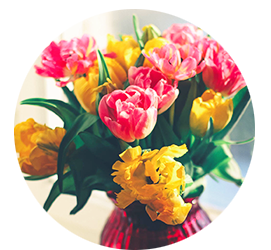
Tulips
Tulips keep growing after cutting! Use a tall vase for support and minimal water. Avoid letting leaves sit in water.
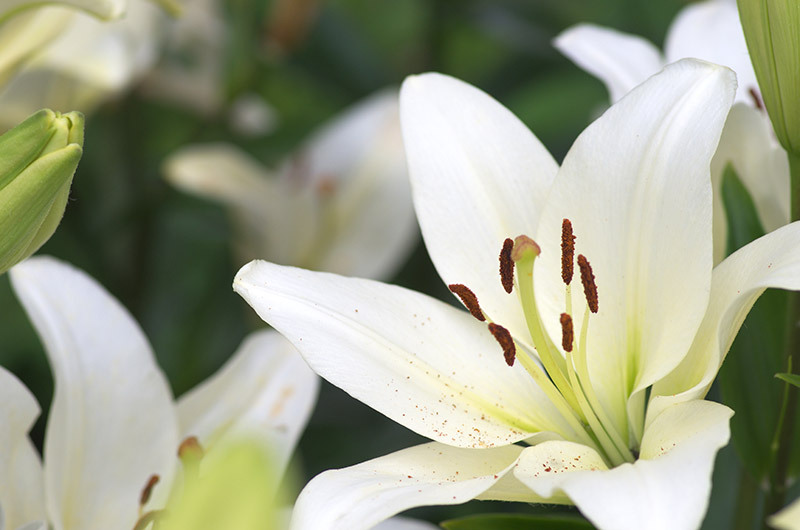
Lilies
Remove pollen stamens to prevent staining and extend the blossom's lifespan. Trim stems every few days.
Daffodils
Secrete sap that can shorten other flowers' vase life. Keep them in their own vase for 12 hours before mixing with other flowers.
Creative Tips to Prolong the Life of Your Blooming Arrangements
- Refrigerate Overnight: Like florists, you can pop your bouquet into the fridge overnight (above 35?F). This slows metabolic processes, keeping flowers perkier longer.
- Mist Blooms Gently: Lightly mist sensitive petals with water to prevent them from drying out, especially in dry climates.
- Use Coins or Vodka: Pennies and a few drops of vodka have mild antimicrobial effects--try adding either to your vase water for an extra freshness boost.
- Avoid Aspirin and Soda: Classic myths suggest adding these, but they often don't help and may harm certain types of flowers.
- Split Woody Stems: For branches and shrub-type flowers, split the ends with a sharp blade to improve water absorption.
Common Mistakes in Home Cut Flower Care
Even with the best intentions, some habits can sabotage the longevity of your floral bouquet:
- Using dirty vases or tools: Always sterilize for every new arrangement.
- Letting water get cloudy: Cloudiness harbors bacteria--replace water at the first sign.
- Neglecting recuts: Re-trimming stems ensures continuous water uptake.
- Forgetting to remove wilted bits: Spoiled petals and leaves speed up decay.
Arranging Flowers for Maximum Beauty & Longevity
Design Tips
- Group by vase life: Pair flowers with similar lifespans so your bouquet stays lovely as a whole.
- Balance heights and textures: Place longer-lasting greenery with shorter-lived blooms for continuous freshness.
- Use flower frogs or grid tape: These help create structured arrangements and keep stems upright, allowing for better air flow and less spoilage.
Troubleshooting: How to Revive Wilting Cut Flowers
- Floppy stems: Re-cut the base and dip in boiling water for 30 seconds, then transfer to fresh water.
- Dehydrated heads: Submerge flower heads in lukewarm water for up to an hour.
- Bent necks (common in roses): Cut stem and wrap in paper, then soak entire flower in warm water for 15-60 minutes.
Eco-Friendly Disposal and Repurposing of Cut Flowers
When your at-home flower arrangement is past its prime, don't just toss it away. Consider:
- Composting wilted flowers to enrich your garden.
- Drying petals for potpourri or craft projects.
- Pressing blooms to create art, bookmarks, or greeting cards.
Key Takeaways: Enjoying Vibrant Cut Flowers at Home
- Always start with clean tools and vases.
- Trim stems at an angle and remove submerged foliage.
- Keep arrangements away from hot, sunny spots and ethylene-producing fruits.
- Change water every 2-3 days and refresh the cut at least weekly.
- Enjoy the process! Creating and caring for cut flower arrangements is as rewarding as admiring their beauty.
Conclusion
Mastering the care of cut flowers at home is both an art and a science. By following these guidelines, anyone can keep their floral arrangements looking fresh, bright, and beautiful for much longer. From cleaning and trimming to arranging and reviving, these tips will ensure you enjoy every bloom to its fullest potential. Not only is this a simple pleasure, but it's a mindful, eco-conscious way to bring a burst of nature into your living space--any time of year!
Bring life, fragrance, and style into your home--one stem at a time. Happy arranging!
Latest Posts
Discover the Secret of Top 12 Long-Lasting Flowers
A Journey Through the World of Orchid Care
Mastering the Care of Cut Flowers at Home